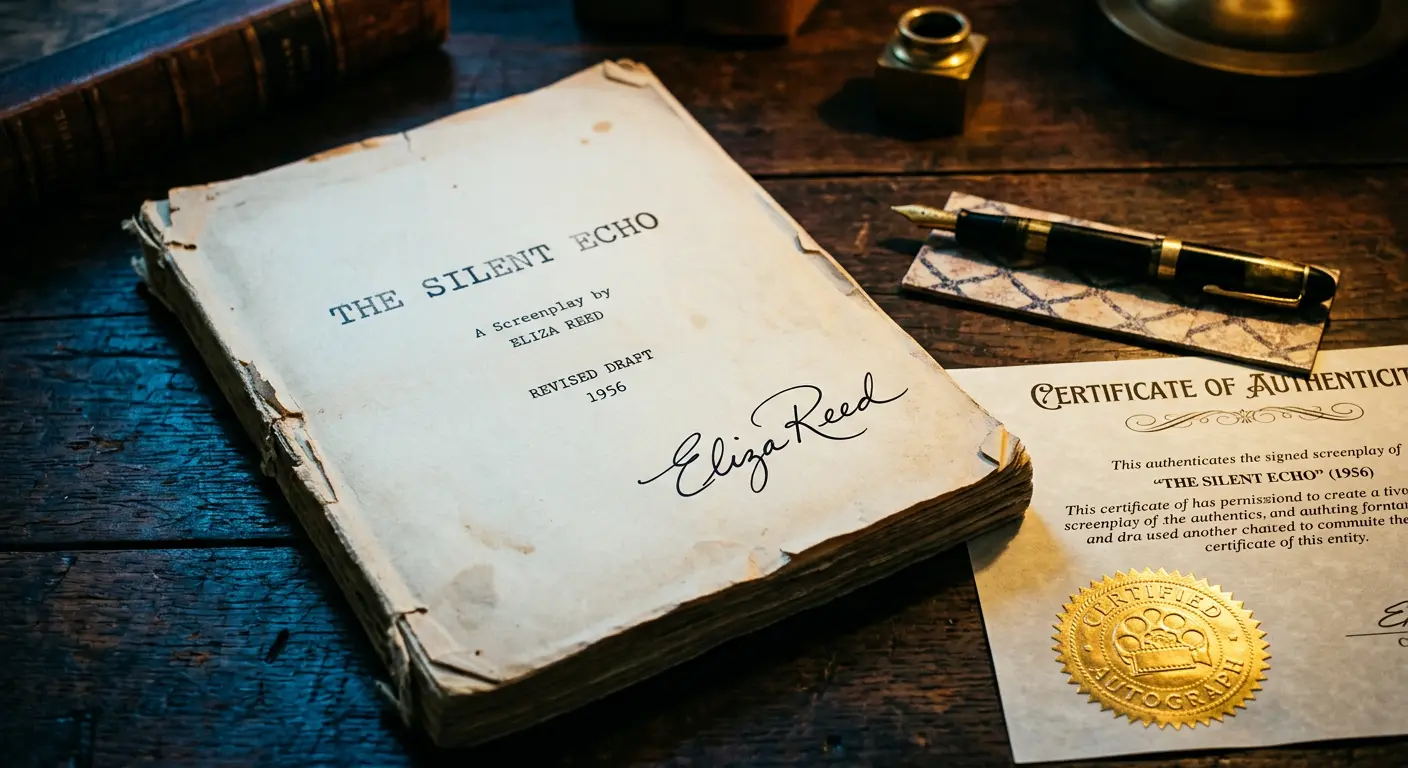
Spotting a Forgery: Authentication Fundamentals
Line quality, pressure and exemplars — the skills every collector needs.
Line quality
Genuine signatures are written with speed and confidence. Forgeries are often drawn slowly, showing shaky lines, blunt starts and stops, and inconsistent pressure.
Compare against verified exemplars
Always compare against multiple verified examples from the same period. Signatures change over a lifetime, and a signature that looks “perfect” for the wrong decade is a red flag.
Autopen and pre-prints
Autopen signatures show uniform pressure and identical shapes across examples. Pre-prints show no indentation and sit flat under angled light. A loupe and a strong light are the cheapest authentication tools you will ever buy.
Third-party authentication
For valuable pieces, use a respected third-party authenticator. A COA is only as trustworthy as the person or company that issued it.
Keep reading

First Cast: A Beginner’s Guide to Autograph Collecting
Pick a focus, set a budget and learn the vocabulary before you buy.
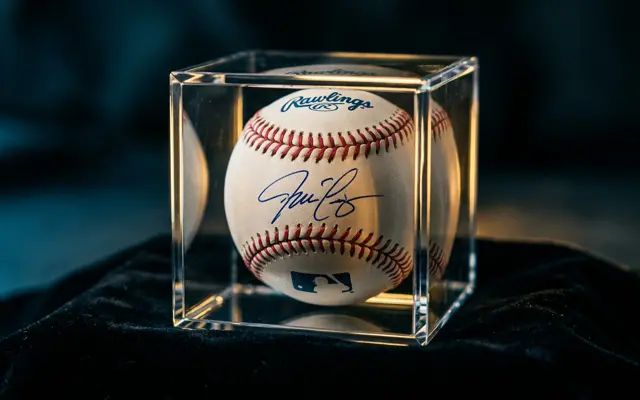
Preservation: Keep Your Ink Alive
UV light, humidity and acid are the enemies. Here is how to fight them.
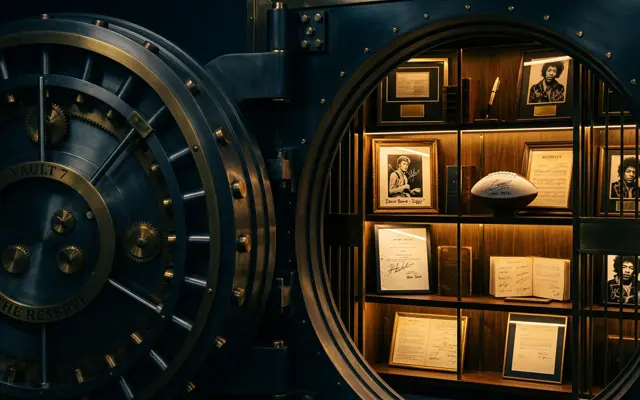
Collecting as an Investment: What to Know
Liquidity, condition and demand — a realistic view of autographs as assets.